
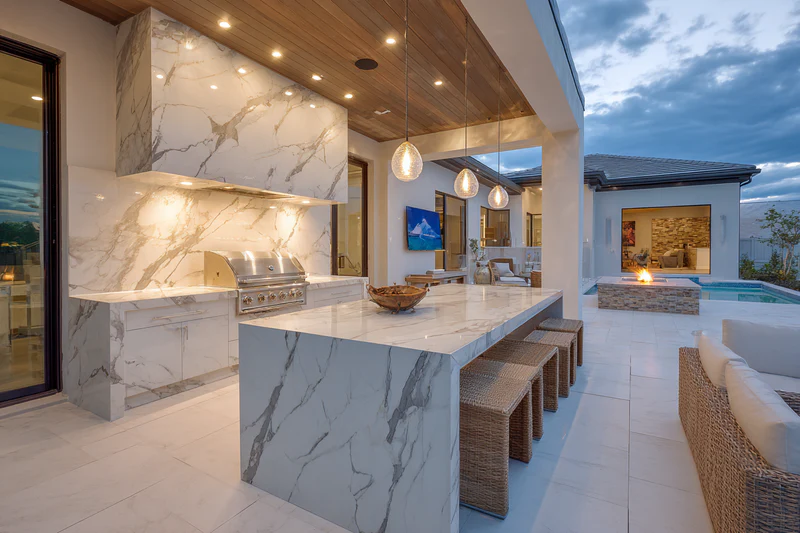
Fort Lauderdale homeowners enjoy one of the most enviable outdoor lifestyles in the country. With year-round sunshine, stunning waterfront properties, and a culture built around entertaining, it is no surprise that outdoor kitchens have become essential features in local homes. Choosing the right outdoor kitchen countertops in Fort Lauderdale requires careful consideration of our unique climate challenges and the specific demands of poolside living.
Whether you are designing an outdoor cooking station next to your pool, upgrading a lanai, or creating a full outdoor entertainment area on your covered patio, this guide will help you select countertop materials that stand up to Florida weather while complementing your outdoor living vision.
Understanding Fort Lauderdale's Outdoor Living Lifestyle
The Venice of America offers countless opportunities for outdoor entertaining. From intimate pool parties to large gatherings on waterfront properties along the Intracoastal Waterway, Fort Lauderdale residents use their outdoor spaces nearly every day of the year. This constant use demands countertops that perform under pressure.
Common outdoor living setups in Fort Lauderdale include:
- Pool areas: Built-in grills and prep stations adjacent to swimming pools
- Lanais: Screened-in outdoor rooms with full kitchen facilities
- Covered patios: Pergola or roof-covered cooking and dining spaces
- Boat docks: Waterfront entertaining stations for yacht owners
- Rooftop terraces: High-rise outdoor kitchens with stunning views
Each of these spaces presents different exposure levels to the elements, which directly impacts your countertop material choice. Our Fort Lauderdale outdoor countertop services team can help you evaluate your specific setup during a free consultation.
Climate Challenges for Outdoor Countertops in Fort Lauderdale
Fort Lauderdale's subtropical climate creates specific challenges that your outdoor countertops must withstand. Understanding these factors helps you make an informed decision that protects your investment for years to come.
Intense Sun Exposure
South Florida receives powerful UV radiation throughout the year. Direct sunlight can cause certain materials to fade, discolor, or deteriorate over time. Lighter-colored surfaces may yellow, while darker surfaces can become uncomfortably hot to touch. This makes UV resistance a critical factor when selecting outdoor countertop options.
Heavy Rainfall and Humidity
Fort Lauderdale averages over 60 inches of rain annually, with summer afternoon thunderstorms being a daily occurrence. High humidity levels persist year-round, hovering between 70-90%. Countertop materials must resist water penetration and prevent mold or mildew growth in these conditions.
Salt Air Near the Intracoastal
Properties near the Intracoastal Waterway, canals, and the Atlantic Ocean face constant exposure to salt-laden air. This corrosive environment can damage certain materials faster than in inland locations. Waterfront homeowners need materials specifically suited to marine environments.
Temperature Extremes
While Fort Lauderdale does not experience freezing temperatures, surfaces can heat dramatically under direct sun, reaching temperatures that affect both comfort and material integrity. Hot grills and cookware add additional thermal stress to countertop surfaces.
Best Countertop Materials for Fort Lauderdale Outdoor Kitchens
Selecting the right material depends largely on whether your outdoor kitchen is covered or fully exposed to the elements. Here is a breakdown of the top options and their ideal applications.
Quartz for Covered Outdoor Kitchens
Quartz countertops work beautifully in covered outdoor spaces such as lanais, screened patios, and areas under pergolas or solid roofing. The engineered stone offers exceptional durability, requires zero maintenance, and provides the same luxury aesthetic you would expect in indoor kitchens.
Advantages of quartz in covered outdoor spaces:
- Non-porous surface resists humidity and moisture
- Never requires sealing
- Easy to clean with just soap and water
- Consistent color and pattern throughout
- Resistant to stains from food and beverages
Important consideration: Quartz should not be installed in areas with prolonged direct sunlight exposure. UV rays can cause the resin binders in quartz to discolor over time. If your outdoor kitchen lacks adequate shade coverage, consider granite instead. For a detailed comparison, read our quartz vs granite comparison.
Granite for Fully Exposed Outdoor Kitchens
Natural granite stands as the premier choice for outdoor kitchens exposed to direct sunlight. This igneous rock formed under extreme heat and pressure, giving it inherent resistance to UV rays, temperature fluctuations, and weather exposure.
Why granite excels outdoors:
- Natural UV resistance prevents fading
- Handles extreme heat from grills and direct sun
- Withstands temperature swings without cracking
- Available in stunning natural patterns
- Extremely durable and scratch-resistant
Maintenance requirement: Granite requires annual sealing to maintain its stain resistance and protect against moisture penetration. This simple maintenance step keeps your outdoor granite countertops performing beautifully for decades.
Concrete Countertops
Concrete offers a popular alternative for homeowners seeking a modern, industrial aesthetic or custom shapes and colors. When properly sealed, concrete performs well in outdoor environments and can be customized to match any design vision.
Concrete countertop benefits:
- Highly customizable shapes, colors, and finishes
- Heat resistant for grill areas
- Can be cast on-site for seamless installations
- Develops unique patina over time
Considerations: Concrete requires sealing every one to three years and can develop hairline cracks over time, which many homeowners appreciate as part of its character.
Heat Resistance Considerations for Outdoor Cooking
Outdoor kitchens see more direct heat exposure than indoor spaces. Built-in grills, smokers, pizza ovens, and side burners all generate significant heat that contacts countertop surfaces.
Granite handles heat exceptionally well, allowing you to place hot pots and pans directly on the surface without damage. Quartz, while heat-resistant, performs best when you use trivets for extremely hot items. Concrete handles heat well but may discolor if subjected to extreme temperatures without proper protection.
Regardless of material choice, we recommend installing adequate counter space around cooking equipment and using heat-resistant trivets as a best practice.
Durability for Year-Round Outdoor Entertaining
Fort Lauderdale's social calendar runs year-round, meaning your outdoor kitchen countertops need to handle constant use. Pool parties, holiday gatherings, weekend cookouts, and casual family dinners all take place in these outdoor spaces.
High-quality natural stone and engineered surfaces resist scratches from food preparation, stains from spilled drinks and marinades, and wear from regular cleaning. Investing in durable materials now prevents costly replacements and ensures your outdoor kitchen remains a point of pride for years to come.
Protecting Your Investment in Fort Lauderdale's Climate
Even the most durable countertop materials benefit from proper care and protection. Here are practical tips for maintaining outdoor countertops in Fort Lauderdale:
- Cover during hurricanes: Protect surfaces from flying debris during severe weather
- Regular cleaning: Wipe down surfaces weekly to prevent salt and dirt buildup
- Rinse after rain: Especially for waterfront properties, rinse away salt residue
- Seal as recommended: Follow manufacturer guidelines for granite and concrete sealing
- Use furniture pads: Prevent scratches from bar stools and accessories
Choosing Colors and Styles for Outdoor Spaces
Outdoor countertops should complement your landscape, pool area, and home exterior. Lighter colors tend to stay cooler in direct sunlight but may show stains more readily. Darker colors absorb heat but hide spills better and create dramatic contrast against tropical landscaping.
Popular choices for Fort Lauderdale outdoor kitchens include:
- Coastal whites and creams that reflect Florida's beach aesthetic
- Natural stone patterns that blend with tropical gardens
- Gray tones that complement modern pool designs
- Earth tones that work with Mediterranean architecture
Frequently Asked Questions
Quartz countertops can be used in covered outdoor kitchens where they are protected from direct sunlight. Prolonged UV exposure can cause discoloration in quartz, so it is best suited for lanais, covered patios, and shaded pool areas. For fully exposed outdoor kitchens, granite or concrete are better alternatives.
The best material depends on your setup. For covered outdoor kitchens, quartz offers excellent durability and low maintenance. For fully exposed areas, natural granite is ideal because it resists UV rays, heat, and weather naturally. Concrete countertops are also popular for their customizable appearance and weather resistance when properly sealed.
Protect outdoor countertops by choosing appropriate materials for your exposure level, using covers during hurricanes and severe weather, applying sealant annually for natural stone and concrete, and cleaning regularly to prevent salt air buildup. For waterfront properties near the Intracoastal, rinse surfaces frequently to remove salt residue.
It depends on the material. Granite outdoor countertops should be sealed annually to maintain stain resistance and protect against moisture penetration. Concrete countertops require sealing every 1-3 years. Quartz countertops do not require sealing as they are non-porous, but remember quartz should only be used in covered outdoor spaces.
Create Your Dream Outdoor Kitchen
Get expert recommendations for outdoor countertops suited to Fort Lauderdale's climate.
Get FREE Estimate