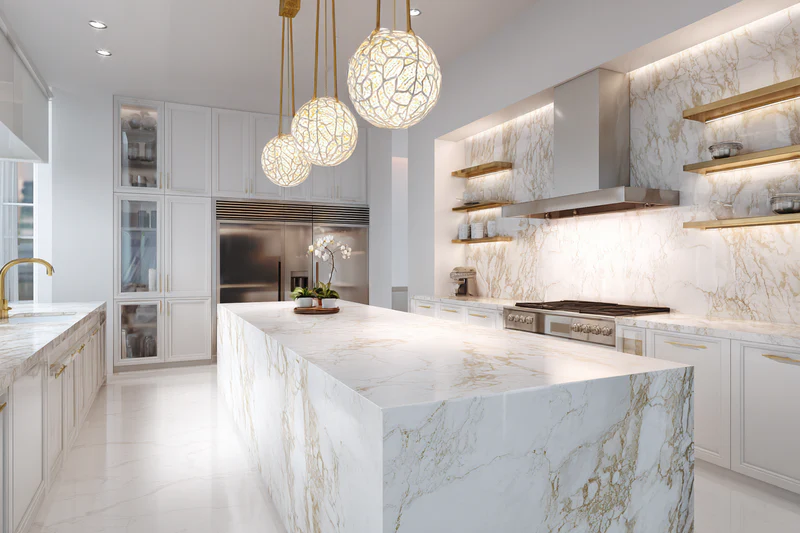

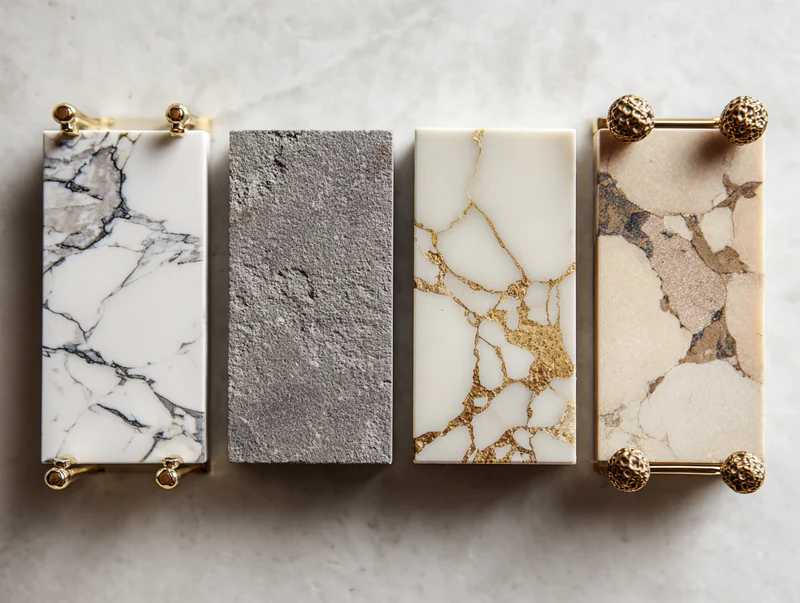
When renovating a kitchen or bathroom in Fort Lauderdale, choosing between quartz vs granite countertops is one of the most important decisions you will make. Both materials offer stunning aesthetics and impressive durability, but Fort Lauderdale's unique climate demands special consideration. The city's humid subtropical weather, salt air from the Atlantic Ocean, and year-round warmth create conditions that affect countertop performance differently than other regions.
Known as the "Venice of America" for its extensive canal system, Fort Lauderdale attracts homeowners who appreciate waterfront living and coastal elegance. Whether you own a yacht-accessible estate in Harbor Beach, a historic home in Rio Vista, or a modern condo along Galt Ocean Mile, your countertops must withstand the challenges of South Florida's environment while enhancing your home's beauty.
Understanding Quartz and Granite Composition
Before comparing performance, it helps to understand what makes these materials different. Granite is a natural stone quarried from the earth, featuring unique patterns created over millions of years. Each granite slab is one-of-a-kind, with natural variations in color and veining.
Quartz countertops, on the other hand, are engineered stone surfaces made from approximately 90-95% ground natural quartz combined with polymer resins and pigments. This manufacturing process creates a consistent, non-porous surface with predictable performance characteristics. Our premium quartz brands offer hundreds of colors and patterns, including options that replicate the look of natural marble and granite.
Moisture Resistance in Fort Lauderdale's Humid Climate
Fort Lauderdale's average humidity hovers around 75-80%, creating challenging conditions for porous materials. This is where quartz demonstrates a significant advantage over granite for local homeowners.
Granite is naturally porous, meaning it contains microscopic holes that can absorb moisture, oils, and other liquids. In Fort Lauderdale's humid environment, unsealed granite may absorb atmospheric moisture, potentially leading to discoloration or bacterial growth over time. Granite requires professional sealing every one to two years to maintain its protective barrier.
Quartz's non-porous surface eliminates these concerns entirely. Water, humidity, and spills remain on the surface where they can be easily wiped away. For waterfront homes in Las Olas, Victoria Park, and Coral Ridge, this moisture resistance proves invaluable. Homeowners exploring waterfront kitchen countertops often find quartz the superior choice for their coastal lifestyle.
Durability and Everyday Performance
Both quartz and granite rank among the most durable countertop materials available, but they excel in different areas.
Scratch Resistance: Quartz's engineered composition makes it slightly more resistant to scratches than granite. While both materials can withstand normal kitchen use, granite's natural crystal structure can be more susceptible to damage from heavy impacts.
Chip Resistance: Granite edges are more prone to chipping, particularly around sink cutouts and corners. Quartz's resin binders provide additional flexibility that reduces chipping risk.
Heat Resistance: Granite wins in this category. Natural granite can handle hot pots and pans placed directly on its surface without damage. Quartz's resin content makes it susceptible to heat damage above 300 degrees Fahrenheit. Fort Lauderdale homeowners who cook frequently should use trivets with quartz countertops.
Maintenance Requirements
For busy Fort Lauderdale families, maintenance requirements often influence the quartz vs granite decision significantly.
Granite Maintenance:
- Requires professional sealing every 1-2 years
- Daily cleaning with stone-safe cleaners only
- Immediate cleanup of acidic spills (citrus, wine, vinegar)
- Periodic repolishing may be needed over time
Quartz Maintenance:
- No sealing required ever
- Clean with mild soap and water
- Resistant to most household chemicals
- Maintains shine without professional polishing
The maintenance difference becomes particularly important in Fort Lauderdale, where salt air accelerates the breakdown of granite sealers. Homeowners near the beach in Galt Ocean Mile or along the Intracoastal Waterway may find themselves resealing granite more frequently than inland residents.
Aesthetic Options for Coastal Homes
Fort Lauderdale's architectural styles range from Mediterranean Revival mansions to sleek contemporary waterfront homes. Both quartz and granite offer extensive aesthetic options, though with different characteristics.
Granite provides unmatched natural beauty with patterns impossible to replicate artificially. Each slab tells a geological story millions of years in the making. For homeowners seeking truly unique countertops, granite's natural variations offer singular appeal.
Quartz offers design consistency and variety that natural stone cannot match. Modern manufacturing techniques create stunning marble-look surfaces, concrete-inspired designs, and colors ranging from pure white to dramatic black. For new construction or renovation projects requiring multiple matching slabs, quartz ensures visual consistency throughout.
Cost Comparison in Fort Lauderdale
When comparing quartz vs granite prices in Fort Lauderdale, you will find significant overlap in pricing.
Entry-Level Options: Both materials start around $50-70 per square foot installed for basic colors and patterns.
Mid-Range Selections: Popular granite colors and standard quartz options typically run $70-100 per square foot.
Premium Materials: Exotic granite slabs and designer quartz collections can exceed $150 per square foot.
However, total cost of ownership favors quartz when you factor in granite's ongoing sealing requirements and potential repair costs. Our Fort Lauderdale quartz countertop services include detailed pricing information for your specific project.
Salt Air Considerations
Fort Lauderdale's proximity to the Atlantic Ocean means salt air reaches virtually every neighborhood, from beachfront condos to inland communities like Victoria Park. This salt exposure affects countertop materials differently.
Salt air can accelerate the breakdown of granite sealers, requiring more frequent resealing for coastal properties. The salt itself does not damage granite, but compromised sealer leaves the stone vulnerable to staining and moisture absorption.
Quartz remains unaffected by salt air exposure. Its non-porous surface has no sealer to degrade, making it an excellent choice for oceanfront properties and homes throughout Fort Lauderdale's coastal neighborhoods.
Making Your Decision
For most Fort Lauderdale homeowners, quartz emerges as the practical choice for its superior moisture resistance, lower maintenance requirements, and excellent performance in humid, salt-air conditions. The material excels in the demanding South Florida environment while offering beautiful aesthetics that complement coastal living.
Granite remains an excellent option for homeowners who prioritize natural stone aesthetics, need superior heat resistance, and are willing to maintain regular sealing schedules. Its timeless beauty and unique character continue to appeal to discerning buyers throughout Fort Lauderdale.
Frequently Asked Questions
Is quartz or granite better for humid climates?
Quartz is generally better for humid climates like Fort Lauderdale. Unlike granite, quartz is non-porous and does not require sealing, making it resistant to moisture absorption, mold growth, and bacteria. This makes quartz ideal for South Florida's high humidity and salt-air environment.
Which is more durable: quartz or granite?
Both materials are highly durable, but they excel in different areas. Granite is slightly more heat-resistant and can handle hot pots directly from the stove. Quartz is more resistant to scratches and chips due to its engineered composition. For everyday durability and low maintenance, quartz typically outperforms granite in Fort Lauderdale homes.
How do quartz and granite prices compare in Fort Lauderdale?
In Fort Lauderdale, both quartz and granite countertops range from $50 to $150+ per square foot installed. Entry-level options for both materials start around $50-70 per square foot, while premium designer options can exceed $150. Quartz often provides better long-term value due to lower maintenance costs and no sealing requirements.
Do quartz countertops stain easier than granite?
No, quartz countertops are actually more stain-resistant than granite. Quartz is non-porous, meaning liquids like wine, coffee, and oil cannot penetrate the surface. Granite is porous and requires regular sealing to prevent staining. Without proper sealing, granite can absorb liquids and develop permanent stains.
Ready to Choose Your Perfect Countertop?
Our Fort Lauderdale experts can help you decide between quartz and granite.
Get FREE Estimate